
Machined parts
Image from camera 2
“Metal part on the conveyor, lit from above. There is a round mark of about 2 mm on the top face.”
Result
- Status
- Defect (confidence 0.91)
- Type
- Surface dent
- Batch
- L-2210
Part set aside for review
Use case
A camera and a computer vision model check every part, pack or label and set aside the defective ones. It inspects 100% of production and does not tire at the end of the shift.
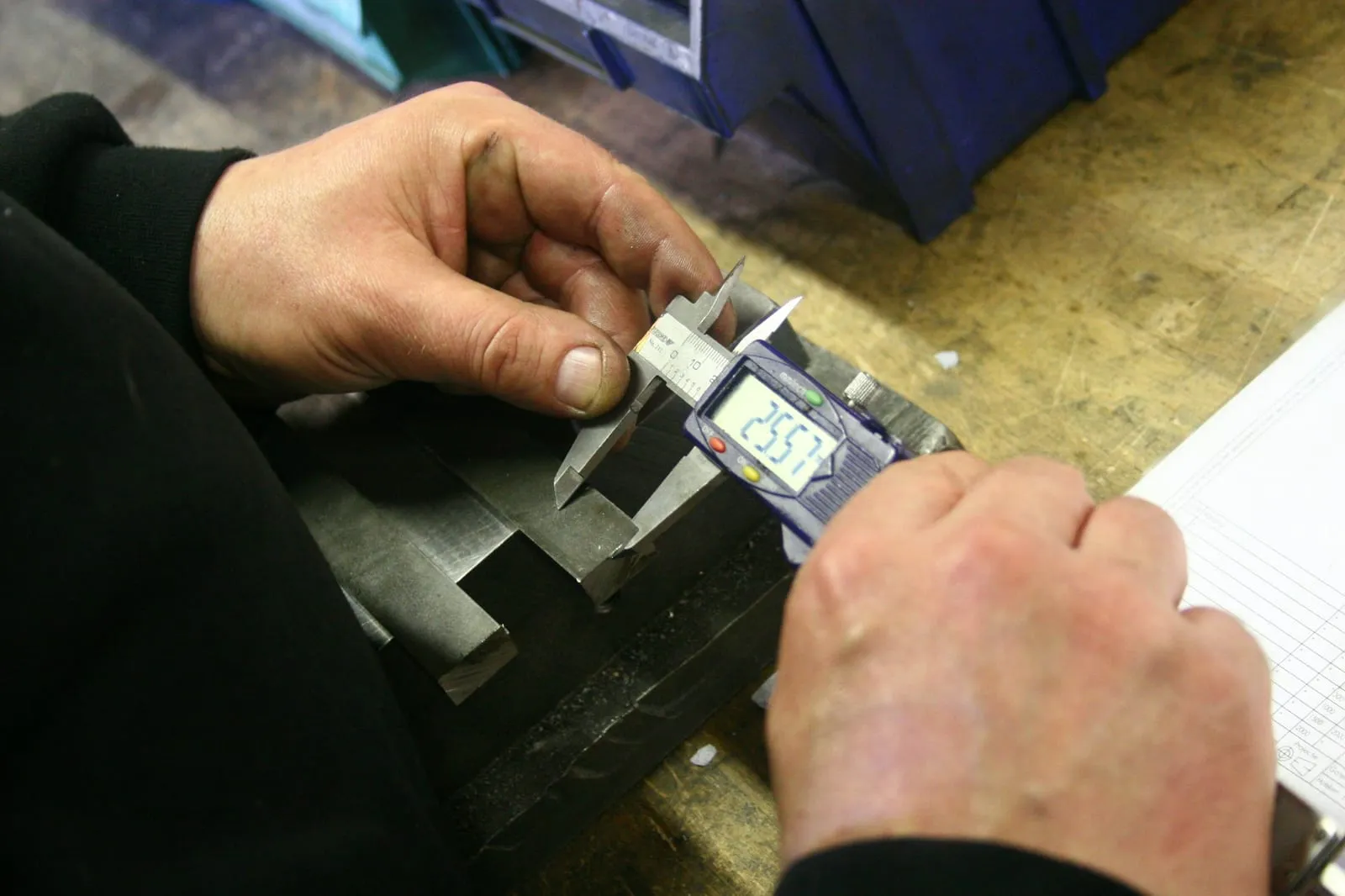
Before and after
Manual inspection
With computer vision
Examples
Image from camera 2
“Metal part on the conveyor, lit from above. There is a round mark of about 2 mm on the top face.”
Result
Part set aside for review
Image from the bottling line
“1-litre bottle with the cap slightly tilted and the seal not fully closed.”
Result
Line supervisor alerted if it repeats
Image from the labelling machine
“Box with the label out of position and the batch code partly blurred.”
Result
Box held back before palletising
How it works
With controlled lighting, at the right point on the line.
1 image per part
Trained on images of your good and defective parts.
OK · defect · uncertain
A signal to divert the part, stop the line or raise an alert.
Diverted to the review tray
Human review
A person confirms the cases where the model is not sure.
3 uncertain this shift
Confirmations are used to retrain the model and analyse root causes.
Defect report per batch
Requirements
Computer vision works very well in controlled environments. Before the project we check these three things.
You need examples of good parts and of each type of defect. If defects are rare, they are collected over a few weeks or anomaly detection techniques are used.
A well-placed camera and constant lighting matter as much as the model.
What counts as a defect and what is acceptable must be defined by quality, with examples.
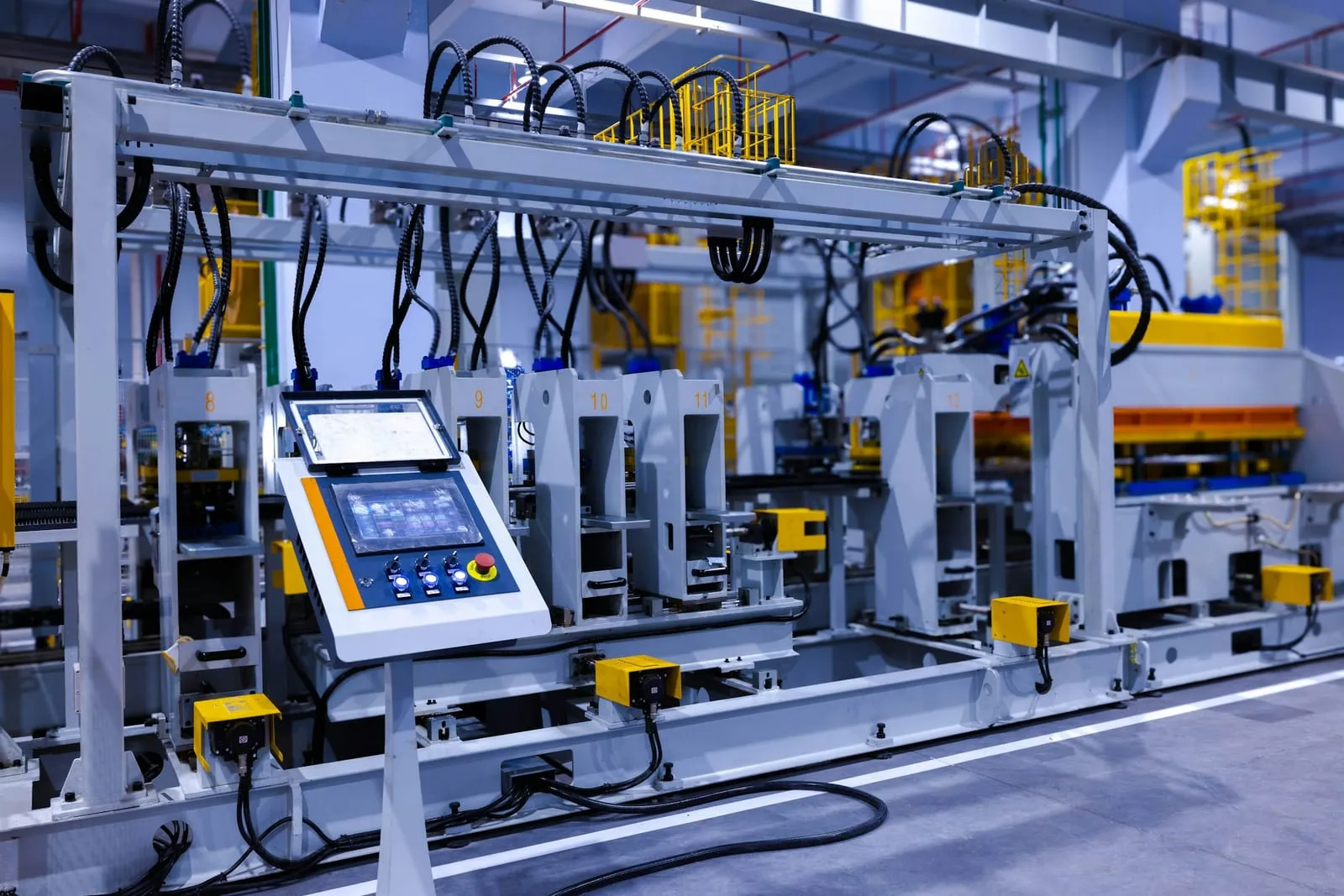
On the line
The system is installed at a specific point on your current line, with its own lighting, and connected to your existing reject signal or a new one.
Method
We look at the line and the costliest defects, and take test images to check they can be detected.
Feasibility report with real images
We train a first model and run it alongside the current inspection, without touching production.
Comparison with manual inspection
We integrate the camera and model into the line, with the reject signal and defect logging.
Inline system and defect dashboard
We design and build artificial intelligence solutions tailored to your processes, data and tools when an off-the-shelf solution does not fit or falls short.
Teaching machines to see: inspection, counting, reading documents and more.
Review more, detect sooner and report better with AI's support.
Tell us what you manufacture or pack, which defects are most common and how inspection works now. We will tell you whether computer vision can help.
May we measure visits?
We use Google Analytics to see which pages are visited. Its cookies are only set if you accept; if you decline, Google only receives cookieless signals. You can change this at any time from the footer. Cookie policy